Fence posts – Durable and Reliable Support for All Fencing Systems
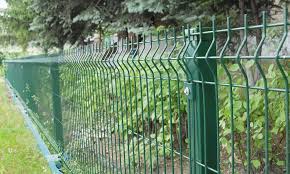
For any fencing project, Fence posts (Stĺpiky na plot) play a crucial role in providing stability, strength, and longevity. While panels and other components create the visible structure of a fence, the posts are the backbone that holds everything in place. Selecting high-quality, durable fence posts ensures that a fence remains secure under environmental stress and maintains its functionality and appearance for years.
What Are Fence Posts and Why Are They Important?
Fence posts are vertical supports embedded into the ground to anchor fencing panels, wire, or boards. But why are they so essential?
- Structural Support: Fence posts bear the weight of panels and withstand lateral forces such as wind.
- Durability: High-quality posts resist rotting, rust, and weathering.
- Alignment and Stability: Posts keep the fence straight and prevent sagging or leaning.
- Longevity: Properly installed posts extend the overall lifespan of the fence.
Without reliable posts, even the strongest panels can fail, making the selection of posts critical to any fencing system.
What Materials Are Used for Fence Posts?
Fence posts come in a variety of materials, each with its own advantages and influence on pricing:
- Wooden Posts:
- Traditional choice, natural appearance, and blends well with landscapes.
- Requires treatment against rot, insects, and weather.
- Best for decorative fences or low-maintenance areas.
- Metal Posts (Steel or Aluminum):
- Extremely durable and resistant to bending.
- Often powder-coated or galvanized to prevent rust.
- Suitable for modern fences, security barriers, and high-stress environments.
- Concrete Posts:
- Heavy and long-lasting, ideal for permanent installations.
- Often used in rural areas or where high wind resistance is needed.
- Minimal maintenance but more difficult to install.
- Composite Posts:
- Made from recycled plastics and wood fibers.
- Resistant to rot, insects, and moisture.
- Provides a modern appearance with lower maintenance than traditional wood.
Selecting the right material depends on climate, fence type, budget, and aesthetic preferences.
How Are Fence Posts Installed?
Proper installation is crucial for fence longevity and effectiveness. How are posts typically installed?
- Site Preparation: Mark the fence line and measure spacing for posts. Clear debris and level the ground.
- Digging Holes: Holes should be deep enough to anchor posts securely (usually one-third of the post length).
- Positioning Posts: Place posts in the holes, ensuring they are straight and level.
- Backfilling: Fill holes with soil, gravel, or concrete for added stability.
- Securing Fence Panels: Attach fencing panels, wire, or boards to posts using appropriate fasteners.
Correct installation ensures that fence posts remain vertical, support the weight of the fence, and resist environmental stress.
Why Does Fence Post Quality Affect Fence Longevity?
Investing in high-quality posts reduces the risk of premature failure and damage:
- Weather Resistance: Prevents rust, corrosion, and rot.
- Structural Integrity: Maintains panel alignment and fence strength.
- Reduced Maintenance: Fewer repairs and replacements are needed over time.
- Safety: Prevents panels or gates from collapsing, ensuring secure boundaries.
High-quality posts act as the foundation for a durable and reliable fence system.
Can Fence Posts Be Customized for Different Fencing Needs?
Yes, fence posts can be tailored to fit specific fencing requirements:
- Height: Posts can be taller for privacy fences or shorter for decorative designs.
- Shape: Round, square, or rectangular posts depending on the fence style.
- Coating or Finish: Powder coating, paint, or stain enhances appearance and protection.
- Reinforcement: Heavier-duty posts for gates, security fencing, or high-wind areas.
Customization ensures that the posts complement both the functional and aesthetic needs of the fence.
How Does Spacing of Fence Posts Affect Stability?
The distance between posts is a critical factor for fence durability. Typical spacing ranges between 6 to 10 feet, depending on:
- Fence Material: Heavier panels require closer post spacing.
- Environmental Conditions: High wind areas may need more frequent posts.
- Height of Fence: Taller fences demand closer support to prevent leaning.
Correct spacing enhances fence performance and ensures posts effectively support panels and gates.
Are Fence Posts Suitable for All Types of Fences?
Yes, posts are an essential component for virtually every fence type:
- Wooden Fences: Posts anchor panels and provide structure.
- Metal Fences: Steel or aluminum posts support mesh or decorative panels.
- Vinyl or Composite Fences: Posts secure lightweight materials and ensure alignment.
- Wire Fencing: Posts provide tension support for barbed wire, chain link, or mesh fences.
The versatility of posts makes them a universal component in fencing systems.
Can Fence Posts Improve Security?
Absolutely. Strong, well-anchored posts enhance fence security by:
- Preventing Panels from Being Forced Over: Heavier posts resist tampering and intrusion.
- Gate Support: Posts ensure gates remain aligned and secure.
- Stability for Tall Fences: Supports privacy and security fences without leaning.
High-quality fence posts form the backbone of a secure property boundary.
How Do Material and Coating Influence Fence Post Maintenance?
The choice of material and protective coating greatly affects maintenance:
- Wood Posts: Require periodic staining, sealing, or replacement if untreated.
- Metal Posts: Powder coating or galvanization prevents rust, requiring occasional inspection.
- Concrete Posts: Minimal maintenance but may develop cracks over time.
- Composite Posts: Very low maintenance, resistant to rot and environmental damage.
Selecting durable materials with protective finishes reduces upkeep and extends lifespan.
What Are Common Accessories for Fence Posts?
Fence posts often work with additional components to enhance functionality:
- Post Caps: Prevent water ingress and provide a finished look.
- Fasteners: Bolts, screws, or brackets secure panels to posts.
- Concrete or Gravel Footings: Improve stability, especially on soft or uneven ground.
- Decorative Finishes: Metal, wood, or composite caps improve aesthetics.
Using compatible accessories ensures both functionality and long-term durability.
How Do Fence Posts Compare to Alternative Support Systems?
Compared to other support methods, posts provide:
- Superior Strength: Anchor panels securely and resist environmental stress.
- Flexibility: Can be adapted to different fence heights, designs, and terrains.
- Ease of Installation: Standardized posts simplify the construction process.
- Cost-Effectiveness: Durable posts reduce long-term repair and replacement expenses.
Posts remain the most reliable solution for supporting any fencing system.
Are Fence Posts Environmentally Friendly?
Many modern posts are designed with sustainability in mind:
- Recyclable Materials: Steel, aluminum, and composite posts can often be recycled.
- Longevity: Durable posts reduce material waste from frequent replacement.
- Eco-Friendly Treatments: Water-based stains or coatings reduce chemical impact.
Choosing sustainable posts supports environmentally conscious fencing projects.
What Should Property Owners Consider When Selecting Fence Posts?
When selecting posts, consider:
- Material and Coating: Ensure durability and weather resistance.
- Height and Diameter: Match panel weight and fence design.
- Spacing and Installation: Proper placement ensures structural integrity.
- Purpose: Consider privacy, security, or decorative requirements.
Thoughtful selection ensures posts provide reliable support and enhance the overall fence system.
Conclusion: Why Fence Posts Are Vital for Fencing Systems
Fence posts are the foundation of every fence, providing strength, stability, and durability. Selecting the right material, proper installation, and spacing ensures long-lasting performance, low maintenance, and enhanced security. From residential gardens to commercial properties, high-quality fence posts support panels, gates, and decorative features while maintaining alignment and structural integrity.
Investing in durable, reliable fence posts ensures that any fencing system remains secure, functional, and visually appealing for years. Properly chosen and installed posts protect property boundaries, enhance aesthetics, and minimize long-term maintenance, making them an indispensable element of modern fencing systems.