Solid Wood Panels: A Complete Overview for Modern Interiors
Solid wood panels have become one of the most desirable materials in contemporary interior design. Combining natural beauty, durability, and versatility, they offer a premium solution for upgrading walls and enhancing living spaces. Whether used in residential homes or commercial environments, solid wood panels bring a timeless quality that few materials can replicate.
At their core, solid wood panels are made entirely from natural timber, without synthetic layers or veneers. This distinguishes them from engineered alternatives and gives them a unique character. Each panel features its own grain pattern, texture, and color variation, making every installation one of a kind. This organic appearance is a major reason why homeowners and designers continue to choose solid wood over artificial materials.
One of the most appealing aspects of solid wood panels is their aesthetic versatility. They can be adapted to suit a wide range of interior styles. In modern spaces, clean-lined panels in lighter tones such as oak or ash create a bright, minimal look. In contrast, darker woods like walnut or stained finishes bring depth and sophistication to classic interiors. The ability to choose between different wood species, finishes, and layouts allows for highly personalized designs.
Another important advantage is durability. Solid wood is known for its strength and long lifespan. Unlike painted drywall or laminate surfaces, it can withstand daily wear while maintaining its appearance. This resilience is largely due to its lignocellulosic structure, which provides both rigidity and flexibility at a microscopic level. Over time, solid wood often develops a natural patina, which enhances its visual appeal rather than diminishing it. This makes it a long-term investment rather than a temporary decorative solution.
Functionality is another key benefit. Solid wood panels contribute to improved indoor comfort by offering natural insulation. Wood helps regulate temperature by retaining warmth in colder months and maintaining a balanced indoor climate. Additionally, it has sound-absorbing qualities, which can reduce noise levels and improve acoustics within a room. This is especially valuable in open-plan homes or busy environments.
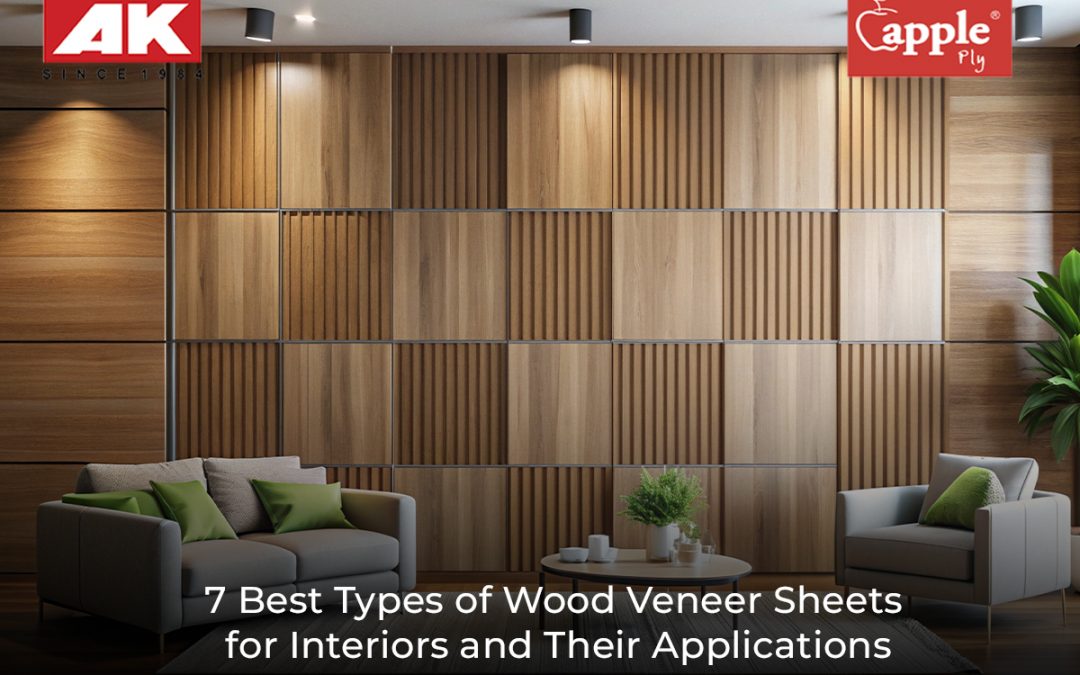
Installation methods have evolved significantly, making solid wood panels more accessible than ever. Many systems now feature tongue-and-groove or click-lock mechanisms, allowing for relatively straightforward installation. Panels can be mounted vertically to create the illusion of higher ceilings or horizontally to make a room feel wider. Accent walls are a popular choice, but full-room installations are also common for a more immersive effect.
Maintenance is often simpler than people expect. Regular dusting and occasional cleaning with wood-safe products are usually sufficient to keep panels in good condition. Minor scratches can often be sanded and refinished, restoring the original look. This repairability is a major advantage over many synthetic materials, which may need to be completely replaced if damaged.
Sustainability is another factor driving the popularity of solid wood panels. When sourced responsibly, wood is a renewable material with a lower environmental impact compared to many alternatives. Choosing certified timber ensures that the wood comes from managed forests, making it a more eco-conscious option for interior design.
Design flexibility extends beyond walls. Solid wood panels can be integrated into ceilings, furniture, and architectural features, creating a cohesive and harmonious interior. They pair well with materials such as metal, glass, and stone, allowing for a wide range of design combinations. Lighting can further enhance their appearance by highlighting the natural grain and adding depth to the surface.
Despite their many advantages, there are a few considerations to keep in mind. Solid wood can respond to changes in humidity and temperature, which may cause slight expansion or contraction. Proper installation and acclimatization of the material can minimize these effects. Additionally, solid wood panels tend to be more expensive than veneered or laminate options, but their longevity often justifies the initial investment.